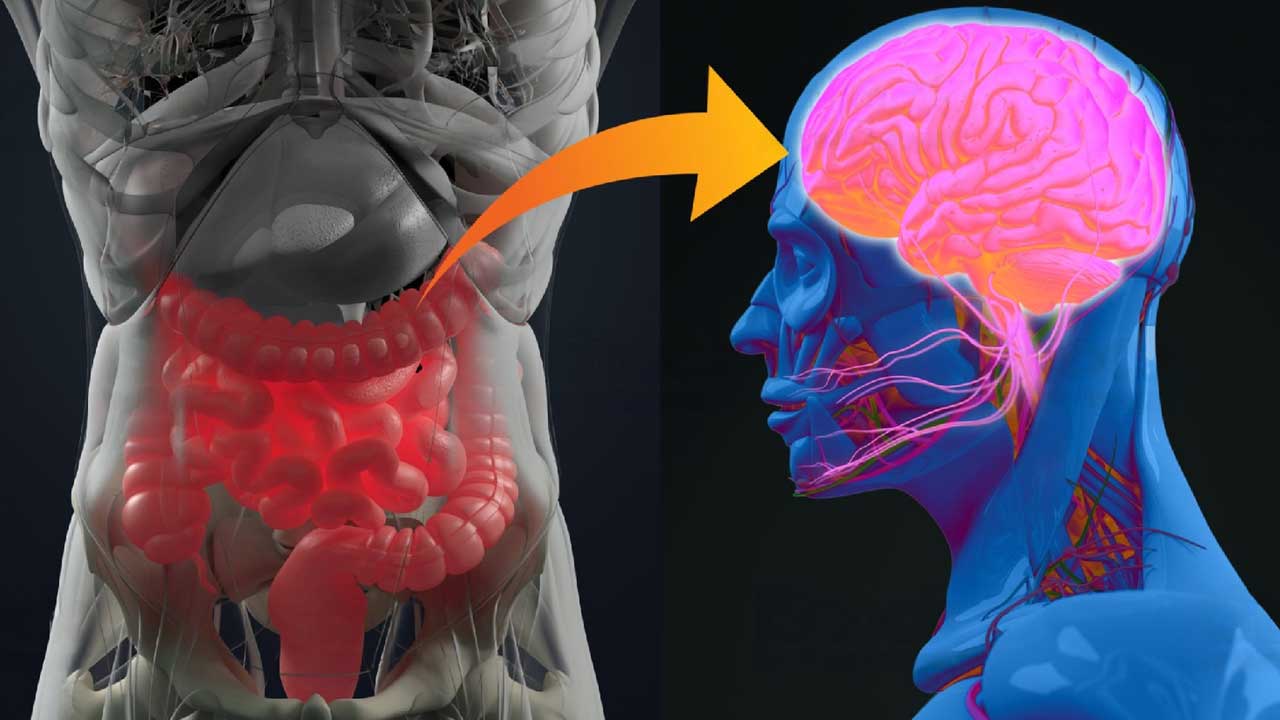
Anxiety and Digestion
Have you ever noticed that when you’re feeling anxious, your stomach starts to churn and your digestion goes haywire? It’s not just your imagination – there is a strong connection between anxiety and digestion that many people are unaware of. The Surprising Link Between Anxiety and Digestion can have a significant impact on your overall health and well-being. Anxiety and Digestion is an important things. In this article, we will explore this connection in depth and offer some tips for managing both anxiety and digestive issues.
Understanding the Connection
Anxiety and digestion are intimately connected in several ways. One of the main ways is through the gut-brain axis. The gut-brain axis is the communication network that exists between the gut and the brain. When you experience stress or anxiety, your body produces stress hormones like cortisol and adrenaline. These hormones can have a significant impact on your digestive system by reducing blood flow to the gut and slowing down digestion. Over time, this can lead to digestive issues like bloating, constipation, and diarrhea.
How Anxiety Affects Your Digestion
Anxiety can affect your digestion in several ways, including:
- Decreased blood flow to the gut, which can slow down digestion and lead to digestive issues like bloating, constipation, and diarrhea.
- Increased muscle tension in the gut, which can lead to cramping and discomfort.
- Changes in gut microbiota, which can lead to inflammation and digestive issues.
How Digestion Affects Your Anxiety
The link between anxiety and digestion works both ways – your digestion can also have a significant impact on your anxiety levels. When your gut is inflamed or imbalanced, it can produce toxins that can travel to the brain and trigger anxiety and other mental health issues. This is because the gut produces many of the same neurotransmitters as the brain, including serotonin and dopamine, which play a significant role in regulating mood and anxiety.
Managing Anxiety and Digestive Issues
Managing anxiety and digestive issues can be challenging, but there are several things you can do to improve your overall health and well-being. Here are some tips:
- Practice stress-reducing activities like meditation, yoga, and deep breathing.
- Eat a healthy, balanced diet that is rich in fiber and probiotics.
- Stay hydrated by drinking plenty of water throughout the day.
- Get regular exercise to help reduce stress and improve digestion.
- Avoid foods that can trigger digestive issues, such as spicy foods, caffeine, and alcohol.
- Consider seeing a therapist or counselor to help you manage your anxiety and stress levels.
Frequently Asked Questions (FAQ)
Yes, anxiety can cause stomach problems like bloating, constipation, and diarrhea.
Yes, digestive issues can produce toxins that can travel to the brain and trigger anxiety and other mental health issues.
You can improve your gut health by eating a healthy, balanced diet that is rich in fiber and probiotics, staying hydrated, and getting regular exercise.
You should avoid foods that can trigger digestive issues, such as spicy foods, caffeine, and alcohol.
A therapist or counselor can help you identify the root causes of your anxiety and develop coping strategies to manage your symptoms.
Yes, Allium Counseling offers counseling services that can help you manage your anxiety and improve your overall well-being.
At Allium Counseling, PLLC, we understand that managing anxiety and digestive issues can be challenging. However, there are several things you can do to improve your overall health and well-being. We recommend practicing stress-reducing activities like meditation, yoga, and deep breathing. Additionally, it’s essential to eat a healthy, balanced diet that is rich in fiber and probiotics, stay hydrated by drinking plenty of water throughout the day, and get regular exercise to help reduce stress and improve digestion.
It’s also important to avoid foods that can trigger digestive issues, such as spicy foods, caffeine, and alcohol. If you’re struggling to manage your anxiety and stress levels, consider seeing a therapist or counselor to help you develop coping strategies to manage your symptoms.
At Allium Counseling, PLLC, we’re here to help you manage your anxiety and improve your overall well-being. If you’re experiencing anxiety or digestive issues, please don’t hesitate to contact us. You can reach us through our contact page at https://alliumcounseling.org/contact-me/ or request an appointment at https://alliumcounseling.org/request-appointment/. Alternatively, you can call us directly at 945.268.9438 to schedule an appointment. We look forward to hearing from you.